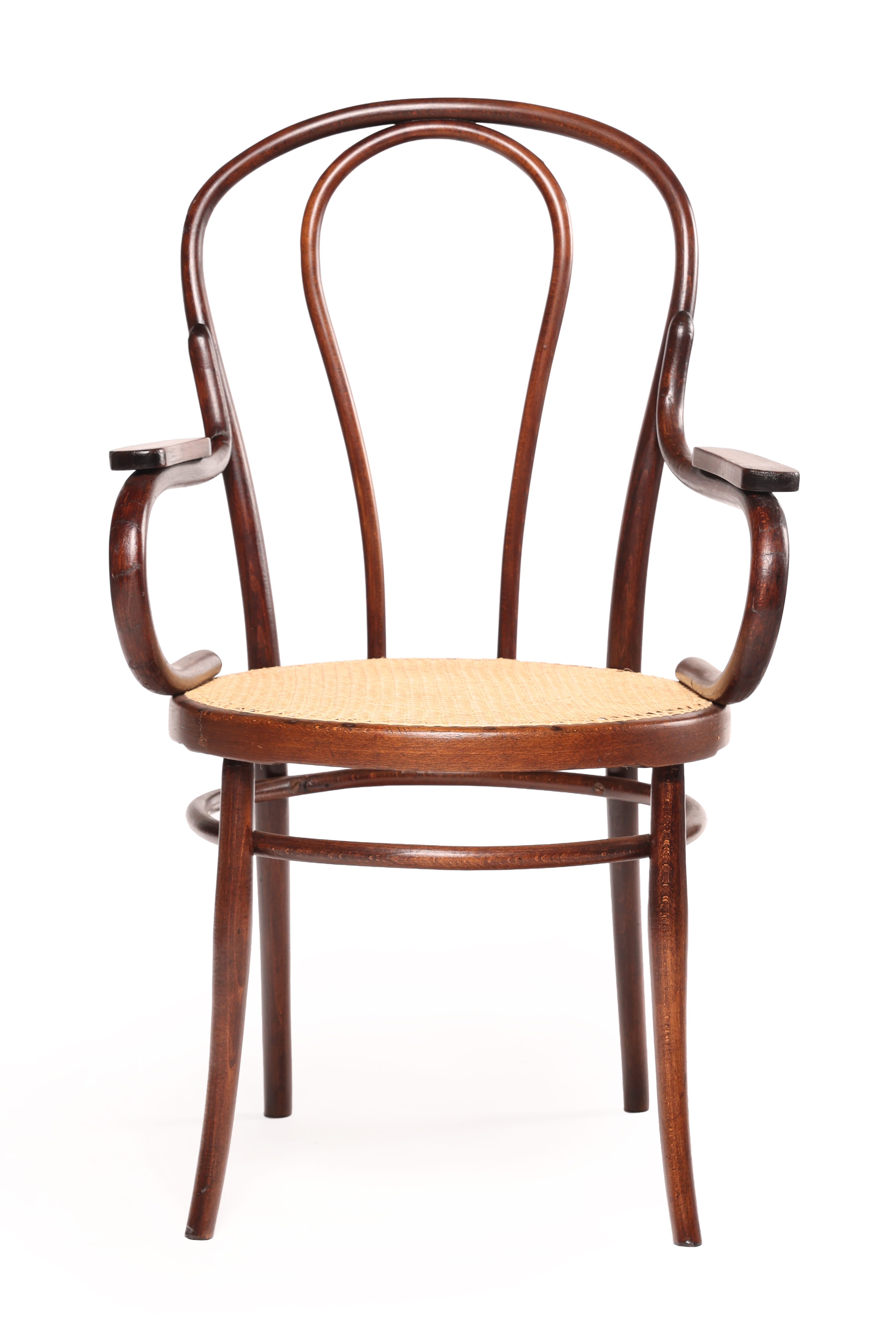
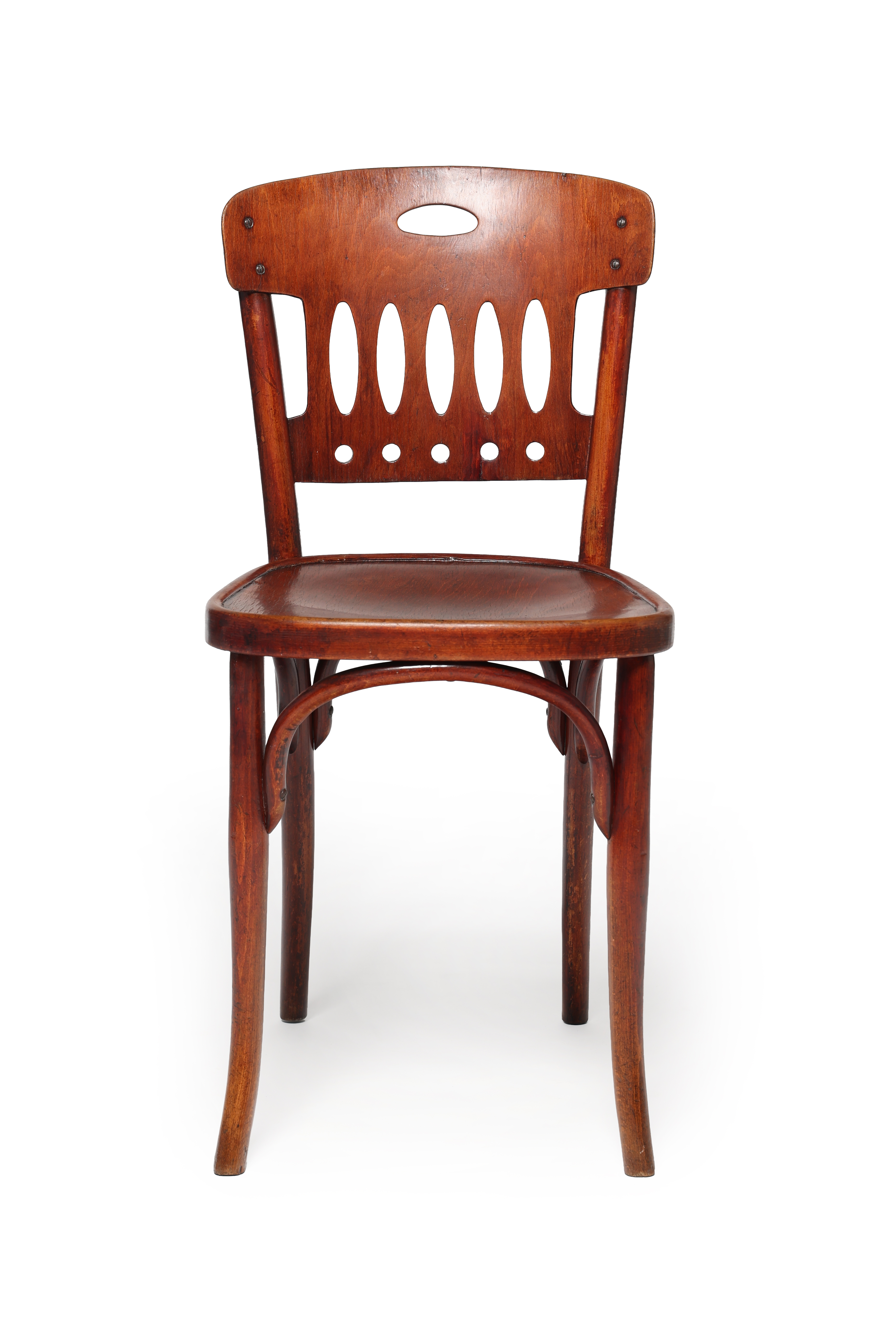
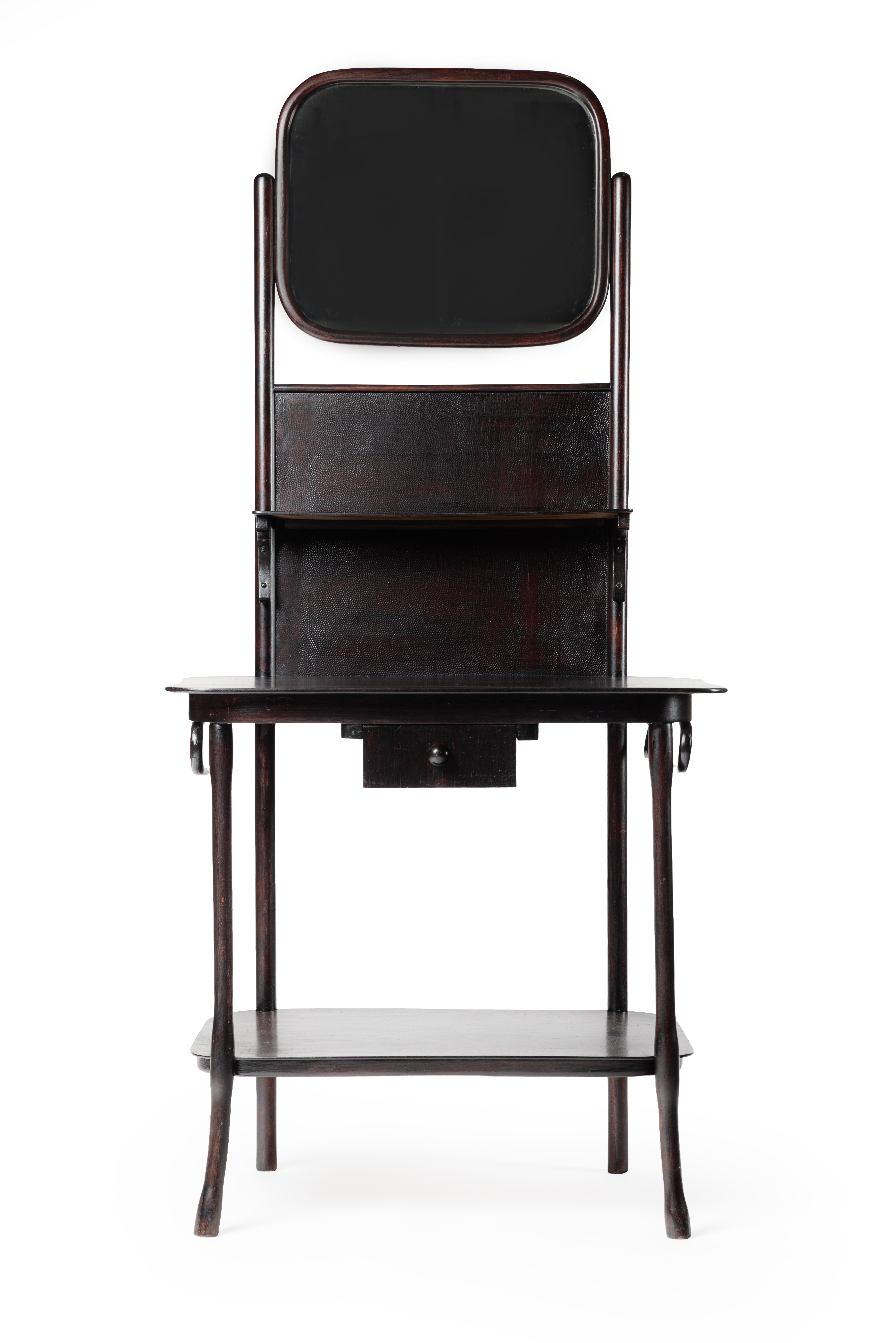
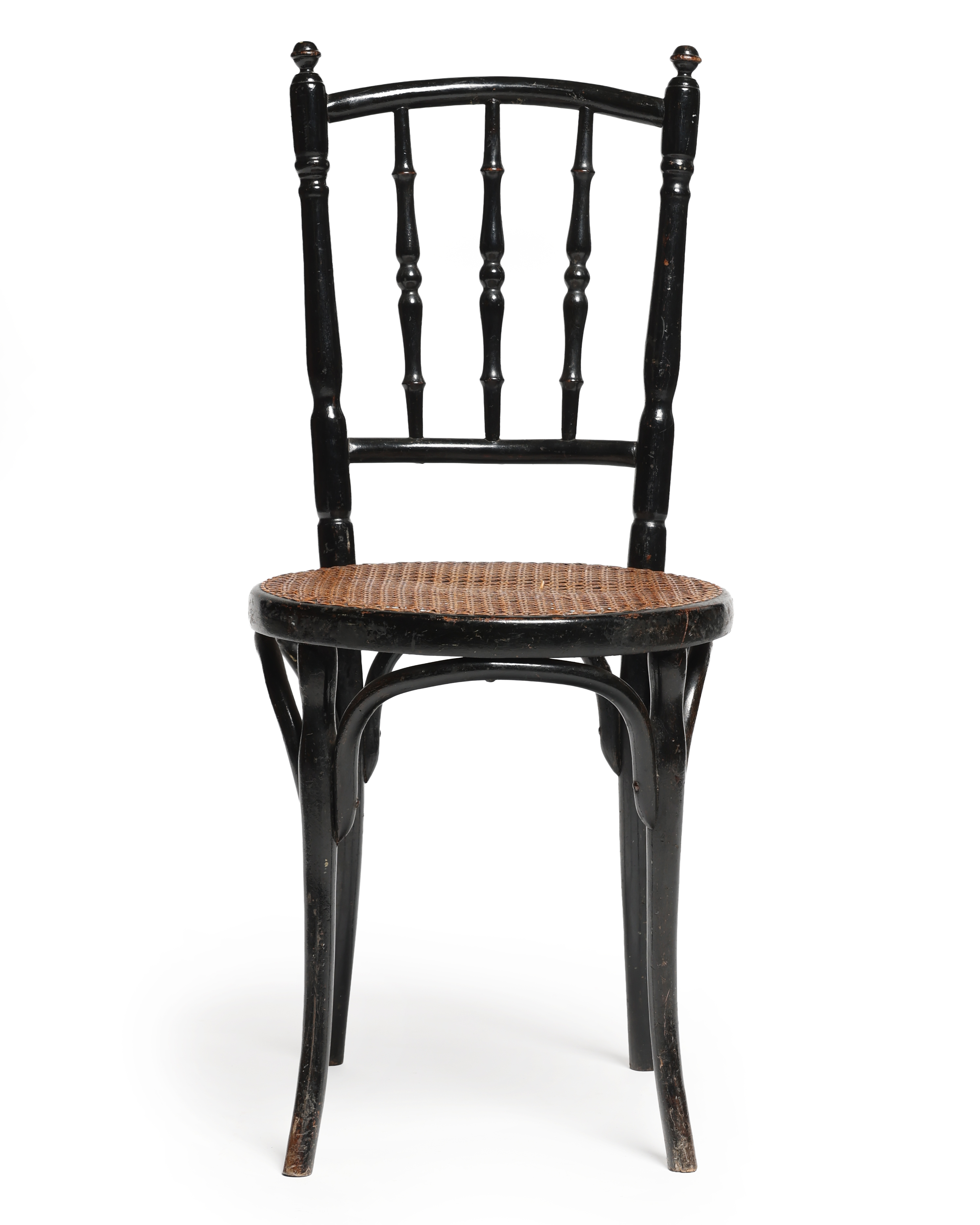
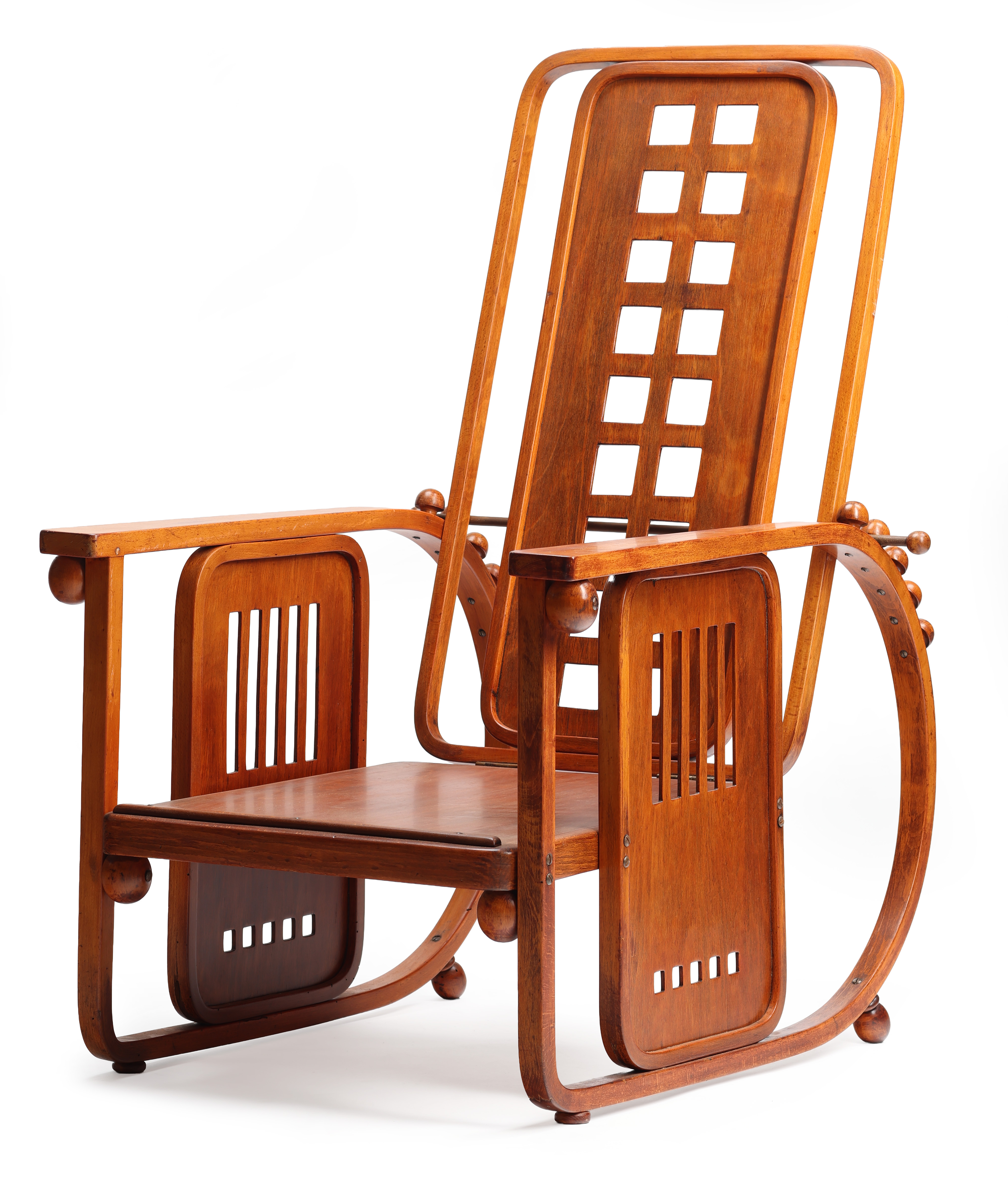
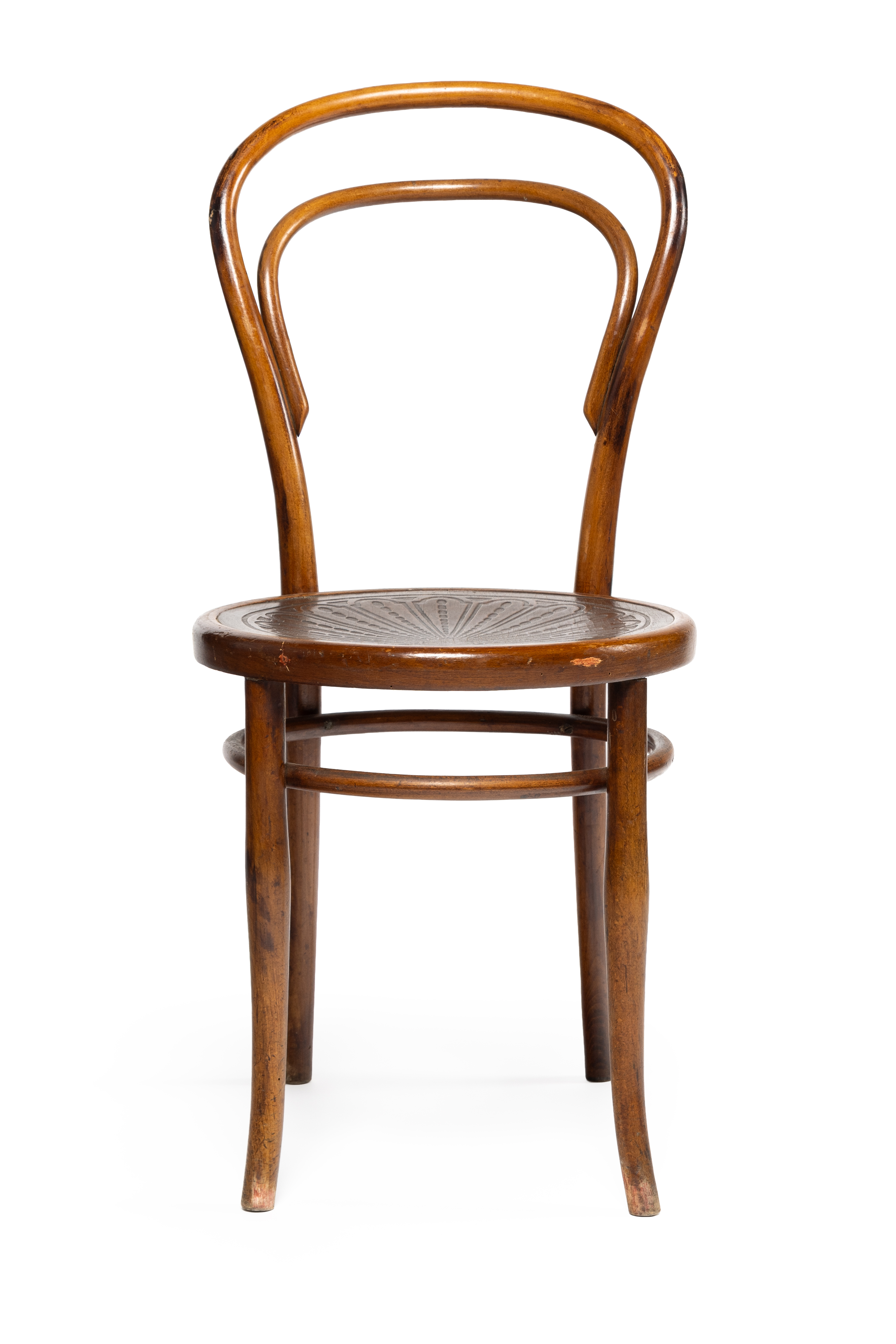
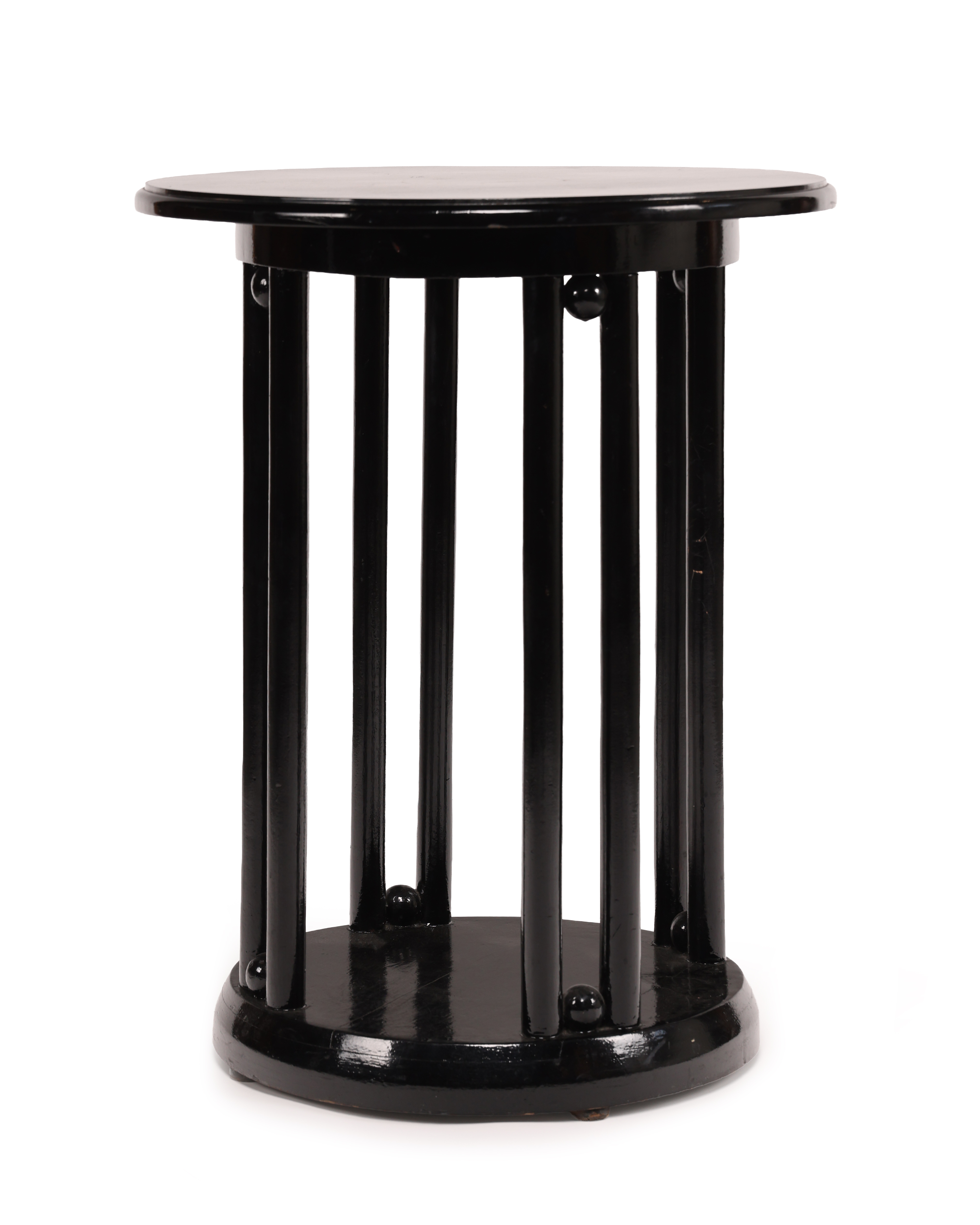
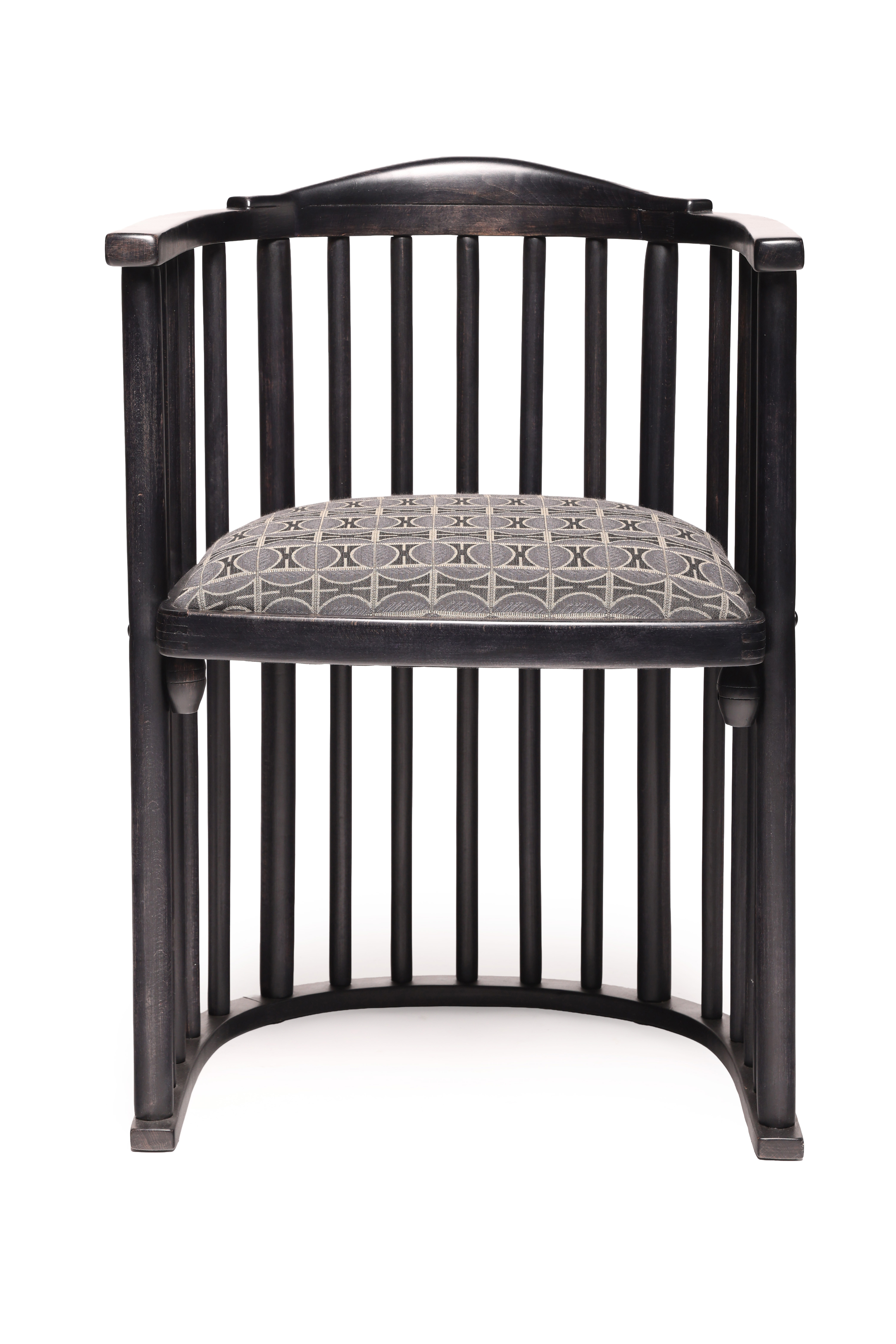
The company was founded by Jacob Kohn (1791–1866) and his son Josef Kohn (1814–1884). J. & J. Kohn specialized in furniture made of steam-bent beechwood, a material valued for its strength, flexibility, and lightness. Using advanced bending machines and industrial processes, the company was able to mass-produce furniture efficiently and at large scale.
By the end of the 19th century, Kohn operated several factories across the Austro-Hungarian Empire and produced thousands of pieces daily. Their furniture was exported worldwide and widely used in cafés, restaurants, theaters, offices, and private homes.
Unlike many industrial manufacturers of the time, J. & J. Kohn placed strong emphasis on aesthetic quality and artistic collaboration. They actively worked with leading architects and designers, integrating modern artistic ideas into mass-produced furniture. This approach distinguished Kohn from purely utilitarian manufacturers.
One of the most important aspects of J. & J. Kohn’s success was their collaboration with prominent figures of Viennese Secession and early Modernism: Josef Hoffmann, Koloman Moser, Otto Wagner, Adolf Loos, Gustav Siegel.
Jacob & Josef Kohn was not merely a furniture manufacturer but a visionary company that shaped the future of furniture design. Through technical innovation and collaboration with leading designers, the company bridged the gap between craftsmanship, industry, and modern art—leaving a lasting mark on design history.